Book Clubs
A true story with plenty to talk about
For readers & discussion groups
Bring Between Two Jungles to Your Book Club
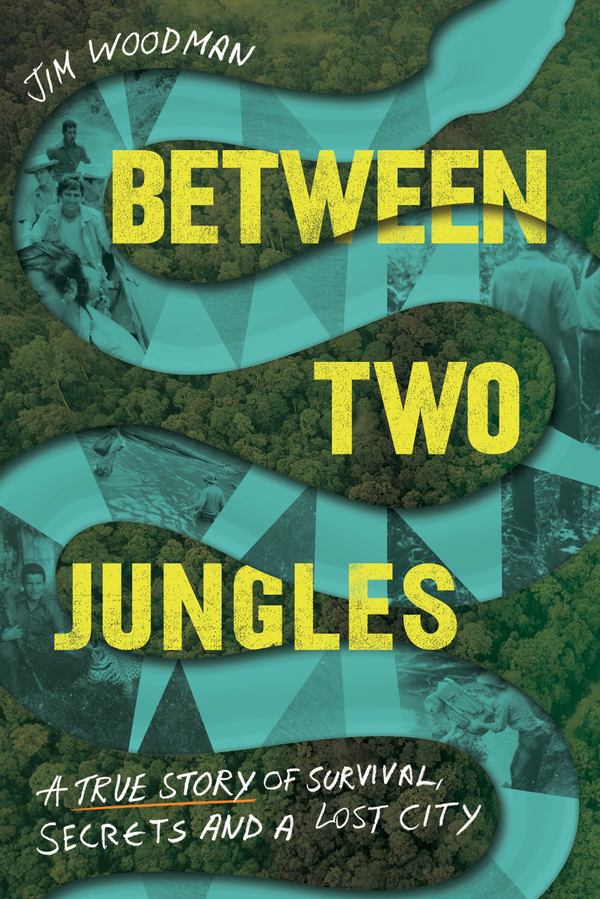
In 1976, five teenage boys entered the remote Honduran rainforest searching for the legendary lost city of Ciudad Blanca. They came home with a story that remained largely untold for 50 years.
Between Two Jungles combines adventure, coming of age, family secrets, survival, and the complicated question of how much of who we become is shaped long before we recognize it.
The expedition was later featured in Sports Illustrated and on ABC’s American Sportsman. The memoir tells the story from inside the group—and explores the childhood experiences that prepared Jim Woodman, at seventeen, to recognize danger in places the adults around him did not.
Discussion QuestionsWhy It Works for Book Clubs
The expedition provides the adventure. The choices behind it—and what the boys carried into the jungle with them—provide the conversation.
Adventure & Survival
Flooded rivers, venomous snakes, isolation, and an increasingly volatile guide create a true survival story with unusually high stakes.
Family & Coming of Age
The jungle story is interwoven with the family chaos that preceded it, raising questions about resilience, judgment, loyalty, and growing up too soon.
Memory & Perspective
Looking back after 50 years invites discussion about memory, forgiveness, the stories families tell, and how our understanding of the past changes with age.
Reader guide
Discussion Questions
These questions are meant as conversation starters. Clubs can use all of them or simply follow wherever the discussion leads.
- The book’s title refers to more than one kind of jungle. What did the “two jungles” come to mean to you as the story unfolded?
- Jim’s father sends five teenagers into the Mosquitia with an adult guide he has never met. How did your view of that decision change as you learned more about Jim’s family?
- At seventeen, Jim often recognizes warning signs in Gary before the others do. Do you see that awareness as instinct, learned behavior, fear—or some combination of all three?
- The boys begin the expedition with different expectations and personalities. Which relationships within the group seemed most important to their ability to cope with what happened?
- How does the danger posed by Gary differ from the physical dangers of the rainforest? Which felt more threatening to you as a reader?
- The memoir moves between the 1976 expedition and earlier moments from Jim’s childhood. How did those flashbacks change your understanding of his actions in the jungle?
- Adventure stories often celebrate risk. Where, for you, is the line between adventure, recklessness, and neglect in this story?
- How much responsibility should teenagers be expected to take for decisions made by the adults around them?
- The expedition was later presented to the public through Sports Illustrated and ABC’s American Sportsman. How might the public adventure story have differed from the private experience described in the memoir?
- Why do you think some experiences remain difficult to tell for decades? What, if anything, changes when a story is finally told 50 years later?
- Did your feelings about Jim’s father, mother, or Gary change over the course of the book? Which character was the hardest for you to understand?
- By the end of the memoir, what do you think the boys were actually searching for—and what did Jim ultimately find?
“Few people understand the dangers of the Mosquitia rainforest better than I do — and Woodman captures them with striking authenticity. But what makes this memoir unforgettable is the psychological jungle he was navigating at the same time.”